“The Forging of Isaz” (Part 4 of 7)

A Short Story Set in a Mythical Nordic Medieval World.
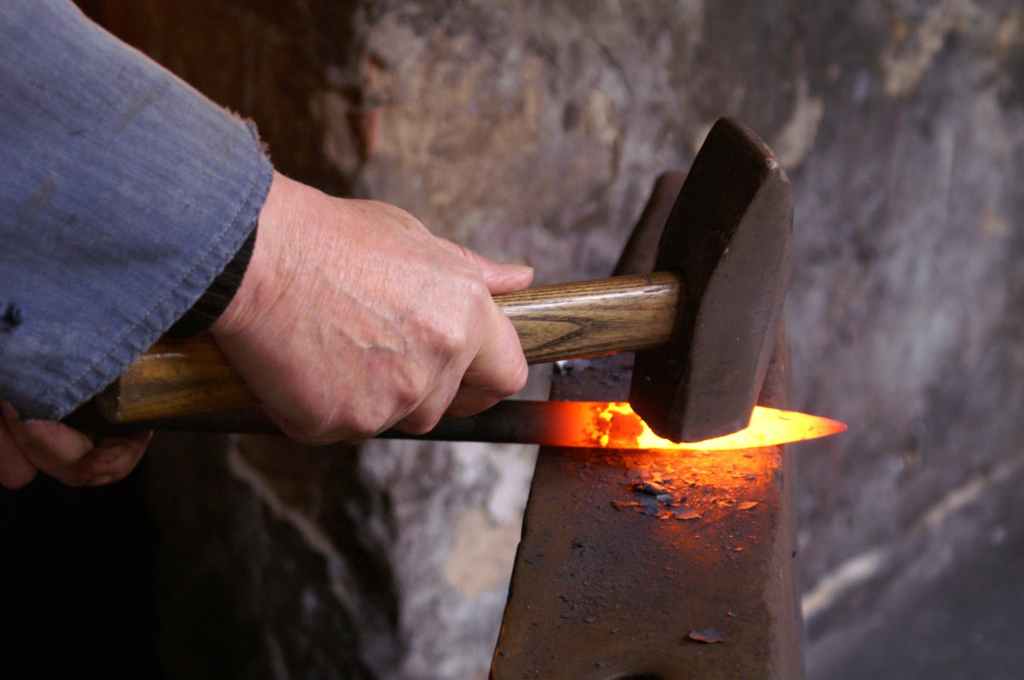
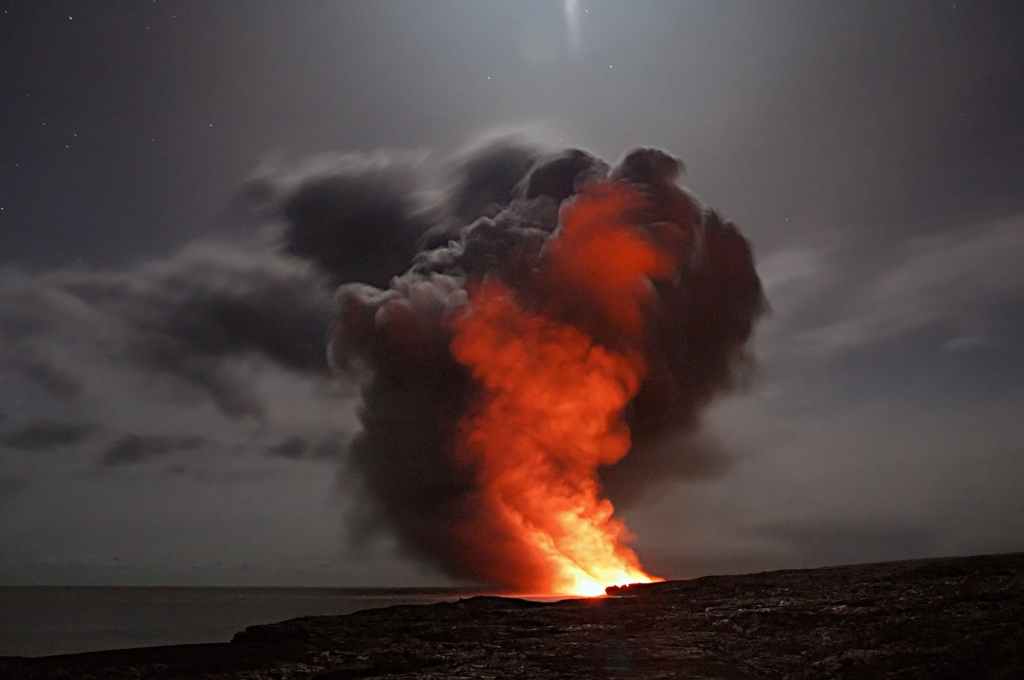
Photo by Pixabay on Pexels.com

Glossary of Terms and Characters

  • Völvur: a shamanic order of women capable of foresight and communing with the otherworld.
  • Jötunn: god-like elemental forces of nature from the mountains, forests and wilds of the tundra. (Giants.) 
  • Gobban: a Norseman, a smith and master craftsman of weapons.
  • Kalda: servant of Skadi, an ice sprite. 
  • Skadi: winter goddess of jötunnic origins.
  • Seiomenn: men who practice conjuring magics. 
  • Greta: the queen’s seeress.
  • Alfar: fairies, elves.  

Part 4 “Songs of the Winter Forge”


Frigid air rushed into the room as Kalda stopped speaking. She turned to face the smith and his subdued forge. She furrowed her brows with concern, biting her lower lip. Gobban felt the display of emotion made the winter fairy appear more human. He instantly longed to comfort the sprite, reassuring her no great harm had been done by her magic. As he stared, he wondered what made the fey folk so different and yet similar to humans. 

“I did not realize, Gobban. I am sorry. I only sought to help.”

“Do not worry. I am hale and hearty. It will take only a little effort to recover the necessary heat to continue forging.”

Gobban walked to the furnace and stirred the embers. Adding more coal, he began to work at the bellows again and sing his enchantments to the fire.

Wood, coal, peat, and pitch.

Awaken, ignite, erupt and blaze.

Work have I, metal to shape.

Heed my voice. Raise the heat.

Ore is hard, brittle, and dense.

Coal is hot, eager to burn.  

Heed my voice. Raise the heat. 

Relax, soften, pliable be.

Hammer, anvil will transform. 

Work have I, metal to shape. 

Heed my voice. Raise the heat. 

Offerings from the four winds I make. 

Breathe deep, leap up….”

Gobban abruptly stopped chanting, letting out a triumphant shout.  

“Kalda! How foolish of me. I know exactly how you can aid my efforts!” 

“How?”

“We’ve had it backward! We don’t want to remove the air; we want more of it!”

The ice sprite peered intensely at Gobban, her sapphire blue eyes burning bright. 

“I do not understand. The cold, chill, winter air will assist in intensifying the fire?”

“Fire is alive, Kalda. It dies without air. It breathes like a living thing. The more air it consumes, the greater its heat. Speak with the wintery winds. Convince them to fan the flames in the forge. Surely, that will muster the heat I and my song can not.”

Kalda looked perplexed.

“You need the air to go into the fires?”

“Yes.”

“But, the winter winds are frigid. They are fierce and mean. They will try to destroy you and your fire. Even humans extinguish a candle with their breath.”

“That is true. But, this fire will not go out. The gusts will only make it grow.”

“Won’t you be burnt?”

“I may singe hair and scorch my hide, but gods willing, the runes I wear will prevent any lasting harm. And every smith has to concern himself with a fire out of control at one time or another. One of the first smithing songs I learned was a tune of taming. The flames will obey me. They will not leave the furnace. I will demand they remain content with their fuel and promise to keep them ever well-fed.”

Kalda nodded with a smirk and a glint in her eyes. 

“I will call upon the winter wind. It will come. Like your flames, it obeys me.”

Gobban spirits soared, feeling this strange, new connection to Kalda. His hopes for crafting a weapon capable of slaying the beast rose. He resolved going forward to have more respect for the völvur. Not since boyhood had he observed the effects of their guidance directly. As an adult, Gobban often downplayed the importance of fate, declaring he was master of his own destiny.

“Right! Let’s work with all haste.” Gobban said. 

Kalda’s voice rose with her song again. Gesturing, she beckoned the wintery elements in. The incoming air whipped about her. The ice sprite’s protective shell of magic guttered like a candle in the wind. Bits of snow, sleet, and ice hissed, violently evaporating into angry wisps of moisture as they were pulled toward the heat. Within the furnace, Goabban watched the coals flare up with a burst of flames. There was no need to pump the bellows.

“It’s working!” the smith called out. 

Gobban uttered his chants, monitoring the rapid change in the steel. It already was the familiar golden, yellow glow. Gobban observed blue flames develop, indicating the fire was growing hotter. His thoughts drifted to the tales of the devilish monster melting raw stone. He wondered exactly how hot the beast’s fire raged. He needed to forge his steel with a temperature even more intense. But, Gobban suspected the metal would then be too soft to work. Nevertheless, he knew he had to try. 

“The forge needs to burn hotter!” he bellowed. 

“I will not hold back then,” Kalda said. 

A maelstrom of wintry precipitation raged within the smithy. The stone floor was slick and damp. Kalda strained to usher more air in against a steadily building resistance. Holding the winds inside was like keeping an upturned bucket full of air underwater. 

“It would be best to open the opposite window. It will provide a path for the currents to exit. This will generate better airflow!” Kalda cried out. 

Gobban perceived the ice sprite’s growing struggle. Only a thin layer of the protective magic encircling her was discernible. 

“It’s becoming too hot for you!” he said.

He was becoming acutely aware the same was true for him. A terrible thirst wracked his throat, his lips felt cracked, and his exposed skin was blistering. 

“I won’t give up! If we can vent this torrid air through another window, I can draw in more wind to fan the forge fires without it circling back upon myself.”

Gobban ran to the shuttered window on the far wall and flung it open. A gust of escaping air buffeted him about as it rushed out. 

“It is done! Is it helping?”

“Yes!”

Gobban shielded his eyes from the brilliant light from the coals as he returned to his forge. He beheld within the inferno the blazing white-hot steel. It threatened to bend as he pulled it from the furnace. He hastily draped the steel bar across the anvil. Carefully modulating the intensity of his swing, Gobban let his hammer fall. The metal over responded to the blow. 

“Blast! It’s too soft!” he yelled.

“Wait, let me help. I comprehend now what you are endeavoring to accomplish.” 

Before the smith could respond, he felt the icy stab of a focused current of frigid air strike him. Glancing down quickly to his anvil, he saw the metal’s light dim. Gobban hammered again. The steel pushed back with tenacity while yielding favorably to the smith’s demands. 

“Well done, Kalda! The metal remains hotter and softer internally. Yet, somehow, this gentle cooling has returned just enough external integrity allowing me to continue to shape it.”

“Good. I greatly desire to observe the final result of our efforts.”

Gobban hazarded a quick glance toward Kalda. His heart leaped upon seeing an intense smile upon her face. 

“Yes, I too am eager to learn more of the unique nature this blade will possess.”

Both labored tirelessly in such a fashion. Kalda alternately kept the furnace flames ready and hot while bathing the sword Gobban worked with subtle jets of cool air. The smith could hammer and shape for longer intervals of time and waited less for the metal to return to optimal temperature when reheated.

“I will now draw the blade out.”

Gobban returned the steel briefly to the forge. Returning the sword to his anvil, he furiously attacked it with a shower of blows. Each strike fell diagonally at an angle to the length of the blade. Before long, Kalda could see the steel was noticeably thinner and had doubled its reach. 

“You have pulled the metal out to a great extent, Gobban. Will the blade not be too weak if stretched so far?” Kalda asked. 

“That would be the case with lesser steel, but adamantium steel is exceedingly strong. We are fortunate to be working with such a quantity of the highest quality material.”

“Will it be what humans call a longsword?”

“I intend to expand the reach of this weapon even further. The fiery beast radiates scorching flames far beyond its body. I hope to provide this sword’s wielder with the ability to strike from the furthest possible distance.”

“It will be a great sword indeed then.”

“It will be nearly a foot longer than a longsword. This shall be a great claymore blade!”


Coming Next: (Part 5 of 7) “Force of Nature”

“The Forging of Isaz” (Part 3 of 7)

A Short Story Set in a Mythical Nordic Medieval World.

Photo by Magoi on Pexels.com

Glossary of Terms and Characters

  • Völvur: a shamanic order of women capable of foresight and communing with the otherworld.
  • Jötunn: god-like elemental forces of nature from the mountains, forests and wilds of the tundra. (Giants.) 
  • Gobban: a Norseman, a smith and master craftsman of weapons.
  • Kalda: servant of Skadi, an ice sprite. 
  • Skadi: winter goddess of jötunnic origins.
  • Seiomenn: men who practice conjuring magics. 
  • Greta: the queen’s seeress.
  • Alfar: fairies, elves.  

Part 3 “Fire Draws Breath

Gobban panicked, seeing the pain in Kalda’s face. He suddenly had an intense desire to comfort and reassure her.

“Our people only use the weapons I make to protect the outlying villages from raids. We prefer peace with the mountain folk. If ever it comes, I long for the day when I may use my skills to craft fair and beautiful things to enjoy.”

Kalda’s cool blue eyes shifted. Her far-off gaze hinted she was carefully weighing Gobban’s words.

“The jötunn can be cruel and harsh. Most are jealous of the love the gods show for humans.”

“I know one or two jötunn who have aided men lost and near death in the wilderness.”

“You have journeyed through the forests into the mountain realm?”

“I was born and raised in a small, northern village. My home is in the foothills of the mountains.”

“You intrigue me, Gobban. You are a human, and yet, your aura is rather otherworldly. Perhaps your ancestors had propitious dealings with the fey folk. I have heard of humans rewarded for performing an act of service for the dwarves or the alfar.”

“I know not my lady, but my mother was the völvur for our village. We practiced the old ways. My father and grandfather were smiths before me. From them, I have learned the little I know of the magic runes I use to enhance my craft.”

Kalda nodded, looking past Gobban to the forge. Her curiosity was evident.

“Shall we begin?” he asked.

“Yes.”

Returning to his furnace, Gobban placed the steel bar into the fire. He sang softly with a rich baritone the secret rhymes his forebears used to intensify their fires. Working the bellows, he coaxed more heat from the brightly blazing coals. Abruptly, he stopped to inspect the steel. Faint blue flames licked along the edges of the metal.

“How will you know when the metal is ready?” Kalda called out.

“A natural fire requires longer to soften the metal. Our time being short, I have sung an incantation to quicken the process. I can tell when the steel is ready to work by the color.”

Gobban’s tongs lifted the bar of metal up for Kalda to see.

“Observe how the steel gives off a dim orange glow? When it dazzles like the noon-day sun, it will be ready.”

Gobban placed the metal back into the flame. He sang again, louder and bolder. After a few minutes, he withdrew the steel from the fire again. The metal gleamed yellow-white. Kalda could see the air surrounding it waver in the intense heat. She pulled her swirling cold tighter about her, warding herself from the heat.

“I will now begin by shaping the tang,” Gobban said.

The smith lay the steel strip atop the anvil and edge hammered one end of the metal. With every hammer blow, sparks exploded out like miniature shooting stars. Watching with fascination, Kalda hadn’t expected the process to be so loud. Gobban stopped periodically to inspect his progress. The ice sprite observed how rapidly the steel’s light faded, returning to its former orange-red glow.

“It cools fast.”

“Yes. I must return it to the fire.”

Gobban replaced the blade into the furnace and resumed singing and pumping the bellows. With the brilliance reinvigorated, he started hammering again.

“Why do you not sing the heating chant while hammering to keep the blade soft longer?”

“I would if I could sustain such effort, my lady. But, the strength needed to shape the metal demands too much of me.”

Kalda found herself impatient with the need to continually reheat the metal.

“With your leave, master smith, I think I know now how to help you.”

Gobban stopped. Sweating and breathing heavily, he studied the ice sprite.

“I welcome any assistance, but how my lady?”

“I can keep the metal hot and soft.”

“That would allow me to work at longer intervals. But, how?”

“I perceive the coldness in the air is actively interfering with your task. It resents the intense heat and tries to dampen it. I will summon the chill air to me, comfort it and ease its distress.”

Gobban was startled to hear Kalda speak about the air in such a fashion. The smith intimately knew fire. It was lively, temperamental. But, he gave little regard to the other elements. He merely understood them as inanimate materials to be used.

“You speak of strange things. You widen my perspective,” Gobban said.

“Perhaps, that is how my mistress feels I will aid you. Humans don’t fully appreciate the elemental forces in this world.”

Gobban snorted and nodded.

“So, you can call to the air, pacify it, and you believe this will cause the steel to remain hot longer?”

“Yes. It will stop trying to moderate the extreme temperatures from the forge.”

Gobban grimaced, wiping the sweat from his brow.

“It will also block the cold outside air from entering. Everything in your smithy should become quite hot.” Kalda said.

Gobban grinned.

“No harm in that! I am well warded. I do not fear the extra heat,” Gobban said, gesturing to tattooed runes on his forearms. “But, what of you? Surely, the increased heat will bother you.”

“I, too, am well defended,” Kalda said, waving her hand to intensify the spin of her protective snows.

Gobban laughed.

“Then let us try!”

Kalda began speaking in a language Gobban did not know. The ice sprite had turned to face outdoors. She moved her arms back and forth as if reaching out and pulling something to her. The smith felt the air about him begin to stir.

Leaving Kalda to her task, Gobban focused on what he needed to do. He reheated the steel until it radiated bright yellow-white light. Continuing to shape where the handle would sit, he listened to the ice sprite’s enchanting words.

His ears crackled painfully as the increased airflow altered the pressure in the smithy. There was now a noticeable increase in temperature about him. He redoubled his efforts to finish shaping the tang. Gobban was pleased. The steel cooled slower, allowing him more time to work.

“It’s working, my lady!”

Kalda did not reply, remaining focused on her spell of urging. Gobban was in high spirits. The rapid progress he made was remarkable. He wondered how long he could work before the metal would need to be returned to the fire. Astounded, the smith admired the finished tang.

“The first part of the sword is complete. The tang where the handle attaches is shaped.” Gobban said breathlessly.

He was feeling giddy with excitement. He paused to catch his breath, not realizing how much effort he had exerted.

“I am winded from my furious labors!” he laughed.

Suddenly, he noticed the heat from the forge felt less intense. Glancing at the furnace, he saw the firelight growing dim. Something was wrong. Gobban rushed to the fire forgetting the metal on the anvil. He worked the bellows vigorously to revive the fire’s intensity, but the coals did not respond. Incredibly the fire continued to die. Gobban realized he was gasping for air.

“I can’t breathe! Why?”

He stumbled back from the forge, wondering what had happened. He could see Kalda moving in the moonlight streaming in through the window. Her singing sounded like a lullaby. Her arms undulated back and forth, dancing. The protecting snows about her were stretched thin by the currents of air rushing out. Gobban realized it wasn’t simply the coldness Kalda was removing from his smithy. She was taking all of the air out too! He was suffocating. Straining to be heard, Gobban shouted.

“My lady! Cease! I beg you! Your magic is smothering the fires and me!”


Coming Next: (Part 4 of 7)“Songs of the Winter Forge”


Word Count: 1288

Written in response to the prompt: Cool Blue.

Check out all of the other great writing prompts at The Twiglets.

Thank you for inspiring me!

“The Forging of Isaz” (Part 2 of 7)

A Short Story Set in a Mythical Nordic Medieval World.

Photo by Simon Berger on Pexels.com

Glossary of Terms and Characters

  • Völvur: a shamanic order of women capable of foresight and communing with the otherworld.
  • Jötunn: god-like elemental forces of nature from the mountains, forests and wilds of the tundra. (Giants.) 
  • Gobban: a Norseman, a smith and master craftsman of weapons.
  • Kalda: servant of Skadi. 
  • Skadi: winter goddess of jötunnic origins.
  • Seiomenn: men who practice conjuring magics. 
  • Greta: the queen’s seeress.
  • Alfar: fairies, elves.  

Part 2 The Arrival

A master smith, Gobban was often completely confident his skills were sufficient for any task. He began his training when he was a young boy. He had learned from the best. Tonight though, the only thing he felt secure in was his understanding of the predicament facing the kingdom. Gobban knew his limitations. His extraordinary skill and the modest magic he wielded would still not be enough. The king demanded a miracle. Skadi could undoubtedly use her wintery magic to forever keep the flame demon at bay. Yet, the cost would be to forever go without warmer weather.

Never summer, ever winter would destroy the kingdom just the same. Let’s hope Greta and the other völvur are correct! I am not a man above learning something new. 

Waiting for his guest, the smith chose his steel carefully. He was sure of his process and technique. The weapons he constructed were well-made. Gobban prepared as he would typically to forge a sword. He added more coal to the furnace and quietly chanted his spells. Soon the smithy was ablaze in heat. Accustomed to the workshop’s hellish conditions, Gobban was in his element. He continued to sing to his forge, stoking, cajoling ever more heat from the coals. 

The smithy was otherwise deserted. In fact, this entire section of the citadel had been cleared. Skadi had requested only the smith be present. The king agreed readily, himself concerned for the well-being of his people. Supernatural intervention, whether divine or jötunnic, was a rare occurrence. No one knew exactly what to expect. Greta advised Gobban how to act and speak. The captain of the guard explained how to signal if there was danger. The king thanked Gobban for his bravery and willingness to put the kingdom first. Lastly, the smith had been instructed to leave the eastern window open. His ally would enter from there.

While his back was turned to shovel more fuel onto the fire, Gobban heard a rush of wind and felt a drop in temperature. Turning, he beheld a figure standing outside the window. After allowing his eyes to adjust from the bright light of the fire, he could discern it was a woman. His first thought was she was too small to be a giant. Gobban tried to recall if he had heard tales of giants having the power to magically alter their size. He supposed Skadi could have acquired such ability from the gods. 

“I’m surprised you came.” Gobban managed to say.

 Stepping closer to the window, the smith sought to better see his visitor.

“A promise was given.” a cold voice replied.

The woman’s skin was pale as freshly fallen snow, and what appeared as her raiment shimmered like a glacier hanging at a fjord’s edge. Her silver hair, severely cropped short, resembled a jumble of jagged shards of ice. Yet, her face appeared delicate with a radiant aura like a brilliant boreal night sky. Her eyes were of the brightest blue. Gobban was reminded of sapphires reflecting the noonday’s sun.

Gobban, in contrast, stood like a dark, gritty lump of coal silhouetted against the orange-red glow of the fire. His dark hair was tied back with a strap of leather worn and stained with sweat and grime. His rugged build was the very essence of a resilient, earthen ore, hardened and tempered by intense heat.

“Even so, I am still surprised,” he said. 

“You think the gods are above the oaths they make?”

“I do not presume to know what it is gods do or don’t.”

“Ah, Master Smith, I have been told much about you. You presume to know all about the forging of mighty weapons.”

“There is nothing I do not know of smithing and forging metals. I am proud of my work. But, I do not claim to know all regarding talismans and weapons of power.”

“And now, flame and heat, elements essential to your success, have emerged from the wilds in strange, treacherous form. Your crafting is undone by the same forces from which it is constructed.”

“The hell beast will not be turned. I have tried all I know. But, no blade will hold its shape ere it pierces the beast’s heart. This is true. Certain doom is upon us all unless another way to defend ourselves is found.”

“And that’s what you expect me to provide?”

“That’s what the völvur hope.”

“Do you believe I can help?”

Gobban’s bowels squirmed. He suspected there was little she did not know about him.

“I honestly confess I am unsure. Steel is remarkable, but it is the fire that strengthens it. Quenching it properly is essential. Extreme cold makes such a metal brittle and prone to shatter. I have spent my life imbuing weapons with fiery magic to withstand the frigid cold, and its minions come down from the mountains.”

The smith was surprised how easily he gave vent to his anger and frustration. This outburst was precisely what he had been counseled to avoid. The stranger stood unmoving, her icy presence filling the length and breadth of the window. Her silence was unsettling. Gobban’s breathing and heartbeat boomed in his head. 

“You speak of the jötunn,” she stated.

Gobban bowed before the woman.

“Forgive my manners, my lady. I am not accustomed to the company of gods. Welcome. Please enter. May we forge a weapon together to save the kingdom.”

“I am no god, master smith.”

“But, the queen’s seer indicated Skadi, queen of the snows and ice, was offering assistance.”

“I am ice sprite. Your people call me an ice maiden. My mistress has sent me. She said I would be able to aide you.”

“Forgive me again. My welcome still stands.”

Gobban gestured with his hands to enter. But, the woman did not move to join him.

“I am ill-suited for your fires. I will remain here until the time comes for me to assist.”

Gobban was surprised to realize he was disappointed. He wondered if the winter sprite was attempting to charm him with faerie magic. It was common for woodland spirits to play such tricks. Yet, he didn’t feel as though he was under any spell.  

“My name is Gobban.”

As if seeing him for the first time, the woman gazed intently at the smith. He felt a chill air cascade down about him. 

“My name is Kalda.”

Gobban shivered upon hearing her name. He realized he was utterly taken with the supernatural beauty of the ice maid. 

With a cough and a stamp of his boots, he vigorously rubbed his hands together to rid himself of the chill and embarrassment he felt. 

“How should we begin? What changes with the forging do I need to make to facilitate your assistance?”

“Alter nothing, master smith. I will partake in your ritual work when I see an opportunity.”

Gobban smiled warmly.

“Then I hope to provide you a worthy display of smithery. I shall begin.”

Turning back to his furnace, he fancied he saw an amused look pass briefly over the ice sprite’s face. 

“I confess I watch with great interest, as I know little of the crafting of swords,” Kalda said. 

Gobban beamed.

“Fear not, I do.”

“Yes, I sense the fierce magic of fire rules your heart. Your skill is evident.”

Gobban realized the ice sprite had come inside. She stood against the window wreathed in a swirl of snows that clung to her body. He, himself, had never before seen a display of this type of magical power. He began to suspect his earlier suspicions and doubts were wrong.  

“Your arrival and words have wrought a change upon me I did not expect. Hope glimmers again in my heart.” Gobban said. 

“Why is this?” Kalda asked. 

“I fathom not how your icy elemental magic works. But, I am now more inclined to accept the völvur’s omens as true.”

“The völvur walk between this realm and others. Their insight is keen. Only a stubborn fool ignores their counsel.”

 Gobban stifled an urge to laugh. Obstinate, inflexible, headstrong, and bull-headed were just some of the words used more often to describe him. He was eager to lay aside talk and get to work. 

“Would you care to see the steel before it enters the fire?” Gobban impulsively asked. 

Kalda tilted her head, considering. 

“Yes.”

The smith retrieved the bar of steel and walked over. He remarked the rapid fall in temperature as he drew near the ice sprite. His sweat crackled as it froze in his hair and on his bare skin. His breath billowed forth in a frozen mist of air. 

“Look adamantium! The king has provided the resources for the strongest steel. There is no higher quality metal for a sword.” Gobban crooned.

The ice sprite hesitated with her hand poised, almost touching it. 

“I assure you it is cool.”

Her touch produced a sound, not unlike the chinking of metal on metal. The bar of steel was instantly covered in frost. Both the sprite and the smith startled. 

“My lady, you have chilled the steel straight through! I feel as if I am suddenly grasping a length of solid ice.”

Kalda regarded the wisps of moisture steaming up from her hand. 

“To me, sir, the metal is quite hot! I now understand why the weapons you craft are mortal to the jötunn from the frozen lands and northern mountains.”


Coming Next: (Part 3 of 7) “Fire Draws Breath

“The Forging of Isaz”(Part 1 of 7)

A Short Story Set in a Mythical Nordic Medieval World.

Photo by Pixabay on Pexels.com

Glossary of Terms and Characters

  • Völvur: a shamanic order of women capable of foresight and communing with the otherworld.
  • Jötunn: god-like elemental forces of nature from the mountains, forests and wilds of the tundra. (Giants.) 
  • Gobban: a Norseman, a smith and master craftsman of weapons. 
  • Skadi: winter goddess of jötunnic origins.
  • Seiomenn: men who practice conjuring magics. 
  • Greta: the queen’s seeress.
  • Alfar: fairies, elves.  

Part 1 “Prologue

The attack had come unexpectedly upon a village situated far to the north, close to the mountains. Its people were a wary lot. Raids were not uncommon, but everything about this assault was unusual. In the middle of winter, the village looked to fire for comfort and protection. Instead, it gave rise to utter ruin and death. The settlement was destroyed, burnt to the ground. The survivors fleeing south whispered of an infernal creature composed entirely of flames. 

The borders were reinforced with more of the king’s guard from the cities. Eventually, the fiery beast appeared again. Steel and magic were brought to bear against this unknown threat but to no avail. The creature blasted and melted all it confronted.

The kingdom had until recently enjoyed a long period of peace and prosperity. The king’s smith had labored tirelessly to produce fantastical items of power capable of keeping the countryside safe throughout the darkest times of the year. But, Gobban wrought in with fire. Heat, light, and flame were essential to his craft. With the aid of these elements, he shaped and imbued his metals with fiery magic. His weapons enabled the king’s guard to drive back icy giants who came down from the mountains with their cold, cruel pangs of hunger to hunt. 

Now, Gobban was faced with an entirely different kind of threat. He threw himself into the task of forging a weapon to slay the monster. The smith efforts were thwarted by the incredible intensity of the beast’s fires. Gobban knew success depended on founding his weaponry within the mightiest heat he could bring to bear. But, the fiend proved capable of burning far hotter than any fire the smith could fashion. No matter how he hardened and tempered the steel, the weapons melted and turned to slag upon striking this implacable foe.

Gobban revealed with great pain and embarrassment, he did not have the wherewithal to protect his craft from the ruinous effects incurred within the fiend’s internal firestorms. Only the random appearance of harsh winter snows did anything to hinder the fiery demon. But, ever the threat returned when the storms abated.

As time passed, people fled south, seeking safety behind city walls. The king’s guard was reduced to keeping peace and order among the refugees or providing swift transport to seiomenn attempting to conjure foul weather to douse the devilish brute’s inferno. 

As soon as the news reached the citadel of the first assault on a fortified city, tensions ran high as people waited to discover if its defenses would hold. Grim was the report declaring even solid stone walls gave way beneath the onslaught of hellishly hot blows. Everyone wondered what would stop this new terror when the summer suns returned?

With Gobban’s armaments failing and the seiomenn’s abjuration magic proving ineffective, the king turned to the völvur to uncover a way to save the kingdom. The seers, with the queen, withdrew into solitude to probe the spirit world for answers. Err long, the völvur, with the aid of their seidr magic, announced a strategy had been divined to defeat the enemy. 

During the king’s council, a path to salvation was laid out. Beyond the borders, a being existed with the knowledge Gobban lacked. The seers spoke of marrying the power of fire and ice to create a sword. They urged the king to dispatch an envoy with speed to parley and strike a bargain securing the desired assistance.  

Gobban was dismayed. He begged to learn more details regarding the exact nature of the omens. He could only perceive a great folly in their plan. He wondered how he could be expected to lay all he knew aside, to ignore reason! He argued some laws of nature could not be disregarded. And yet, Gobban was expected to try.

Greta, the queen’s seeress, a woman greatly respected, if not afeared, was adamant Gobban must forge a great sword to serve as a talisman against the unstoppable devil. She vowed there was no other way. She insisted salvation lie within Gobban’s reach. Every portent the völvur read alluded to a blade quenched and tempered within frigid forces only Skadi, the winter goddess, could provide. This paradox would forestall the perils posed by the diabolical heats wreathing the beast. 

The smith balked at the absurdity of this idea. Fire and ice did not suffer each other’s company; they could not co-exist. Gobban was dreadfully afraid. He refused to believe deliverance would come from steel. He begged the völvur to scry again. Gobban suggested looking to the boundless waters of the sea to bring about an end to the monster. But, the king and the other council members were confident this was the course of action to take. 

Eventually, the smith acquiesced, agreeing to carry out this preposterous scheme. But, he was devoid of all hope. Gobban granted a radical change in tactics was necessary, but he doubted this approach was it. He could find no solace in the auguries. All others were convinced a frost forged blade would endure the inferno long enough to pierce the beast’s heart. But, Gobban worried his skills were insufficient for the job. 

The fleetest messengers were dispatched to the wilds of the mountains and forests. Quick was the reply. Now, a stranger was coming to work with the smith. Disliking the unknown, Gobban’s mind fell to endlessly speculation.

Who or what was coming? Was this wild ally human? Could it be possible, Skadi herself would arrive?

Gobban didn’t believe the winter goddess would deign to intervene directly. Indeedhe thought she’d send a vassal or minion to nose about his smithy. But, the question of what or who continued to torment the smith.  

What he did know failed to allay his trepidation. Whatever journeyed toward him and his forge was traveling from the hinterlands, a place inhabited by giants, spirits, and gods. He had been taught from an early age to avoid such areas. In the counsels, Gobban did not reveal his immense distrust of the jötunn. Now, he regretted holding his tongue.

Blast the völvur and their signs! Help must come from the jötunn? Twaddle, I say! Gibberish indeed! Only a fool harkens to dubious advice from a chaotic otherworldly being!

Gobban believed unless Skadi and her attendants chose to directly confront the fiery monster, no genuine aid would come from that quarter. He wondered quietly what her motives were. Many invoked Skadi for warmth and succor throughout the dark months of the year, but Gobban was not one of them.

He remembered and distrusted the goddess’ origins. Skadi was not always exalted as one of the gods. She was a giantess, a member of the jötunn. Gobban had dedicated his life to keeping the darker jötunnic powers at bay. Reflecting, he realized the prospect of collaborating with the winter goddess had quite unnerved him. The smith prayed he was up to the task. 


Coming Next: (Part 2 of 7) “The Arrival”

Foundation

Photo by Pixabay on Pexels.com

Review of AppleTV+’s Television Series Based on Isaac Asimov’s Foundation Trilogy.

Some prefer to read the book first; others are drawn to the sounds and visuals of a television or movie adaptation. There will be discrepancies in the telling of the story with the transition from one medium to another and fans will champion their favorite version. But, avid disciples will take pleasure in any opportunity to immerse themselves in their favorite fictional world. If rooted in exploring the human condition, built around archetypal motifs, a tale’s emotional appeal will be timeless.

If a story is a bit older, less well-known to the current generation, reintroducing it visually can be more successful. I’ve heard of the science fiction trilogy, Foundation, but never known enough to entice me to read it. Big mistake on my part, I suspect!  At least that’s how I’m feeling now having seen the first part of a brand-new television adaption of the story. Just as the trailer for Star Wars captured my attention back in 1977, it was the trailer that lured me in.

Eagerly anticipating last Friday’s premier, I allocated a portion of my Saturday toward sitting too close to the screen, volume high to watch the first episode. AppleTV+’s Foundation trailer had haunted my imagination for weeks with glimpses of beautiful imagery of otherworldly skies, dominated by multiple moons, differently colored suns or planetary rings. I was not disappointed. The style of the costuming and set design felt authentic; organic. The intro sequence conveyed a sense of grandeur and modernity reflective of the art from the early twentieth century art deco movement.

Isaac Asimov, along with Arthur C. Clarke and Robert A. Heinlein, is consider a member of sci-fi’s “Big Three”. These authors popularized science fiction, while setting the standards for the genre. This was my first exposure to Isaac Asimov’s, Foundation Trilogy. I instantly fell in love. Despite reading one of his first novels and enjoying it, I never read any of his other writing. I was simply overwhelmed by his prodigious collection of work. I wondered to myself, should I read his books as they were published or according to the fictional chronology of the galactic empire he invented. The former path felt choppy; the latter was honestly difficult to map out. Just browsing through Asimov’s bibliography can be daunting.

As a budding author myself, I am beginning to understand a writer’s ideas, plots and characters often take control, dictating what is to be written next. Asimov appears to have explored his universe from a myriad of angles, using various unconnected plots and a multitude of characters. I propose fictional writers act as pseudo-archeologists sifting the sands of the mind, hoping to uncover clues revealing unknown worlds. This first ever adaptation of Foundation for television helped me discover how desperately I want to read more of Asimov’s novels.

The first episode commenced with introducing Gaal Dornick, a young mathematician, living on a planet governed by a theocratic society outlawing the pursuit of science. Gaal is punished, excommunicated and sentenced to death for solving an enigmatic mathematical problem. Offer of aid comes from a famous, off-world scientist on Trantor, the imperial capital planet. The Galactic Empire has reigned for 12,000 years, developing an advanced futuristic society. The immensity of the empire is possible due to its ability to warp space and time, allowing people to jump the vast distances between star systems. Gaal travels to meet her scientific idol, psychohistorian, Hari Seldon. Believing she has found a safe environment to further her mathematical studies, she quickly learns she has come too late. Imperial authorities may support, fund and celebrate scientific discovery, but not when the facts predict a future unpalatable to those in power. Seldon’s recent work warns of a looming, catastrophic collapse of civilization across the entire galaxy. Empire, the supreme ruler, who in reality is a trio of clones, refuses to accept the science behind Hari Seldon and Gaal Dornick’s work. Arrests are made, court and legal proceedings are held and both are charged with treason.

Photo by Markus Spiske on Pexels.com

If you have followed my blog from the beginning, you know I view storytelling, as a means to exploring life, because fiction is always reflective of the real world. From the onset, this story felt incredibly relevant to our world’s current situation. Amazingly, Isaac Asimov started work on Foundation during the middle of the last century! But, it still seemingly anticipates today’s clash between governments and the scientific community. On one side, scientists are sounding the alarm, warning action needs to be taken to avert devastating, changes to our planet. An opposing group of multinational corporations and politicians, fearing loss of profits and control of society, challenge the legitimacy of scientific reports. The battle over what is fact and what is fake is relentlessly. The end result is a confused and conflicted populace longing for a clear, unbiased insight to inform their own decisions and actions. I haven’t read or seen the entire Foundation Trilogy yet, so I don’t know how it ends. Of course, none of us knows how the current conflict over global climate change will play out either.

Isaac Asimov’s work also harkens back to elements found in human history. The name of the story Foundation comes from a line spoken by the character Hari Seldon. When asked if the crisis can be averted, he explains the looming catastrophe is inevitable. But, he offers a glimmer of hope. Seldon explains steps could be taken to build a repository of all the most treasured aspects of civilization. This cache of essential information would act as a foundation on which survivors of the empire’s collapse could build on. The goal being to shorten the times of darkness. In essence this was a role played by religious monasteries throughout Europe during the Dark Ages preceding the fall of the Roman Empire. Even the famous library at Alexandria is alluded to in Foundation. Hari Seldon recognizes that when the collapse comes the Imperial Library on Trantor will burn, just as the real life Alexandrian library did. 

Photo by Pixabay on Pexels.com

Graham Handcock, a modern day scholar theorizes a similar, tragic erasing of a civilization happened on Earth. He argues an unknown ancient society existed far earlier than mainstream historians and archeologists allow. His books, Fingerprints of the Gods and Magicians of the Gods, lay out his proposed evidence of a forgotten, advanced, global civilization destroyed by a cataclysmic event. Scrutinizing clues found in myths, ancient texts and architecture, he believes survivors from this forgotten civilization, safeguarded their knowledge, hoping to pass it on to the less advanced remnants of humanity. He argues the theme of a helper race of gods or angels is present in all of the world’s mythology. Approaching this idea esoterically, Edgar Cacye, a clairvoyant in the early twentieth century, famously claimed to have remotely viewed a secret chamber beneath the Sphinx in Giza, Egypt. The existence of a subterranean room beneath the Sphinx has been confirmed with modern, remote-sensing equipment. Interestingly, no requests to explore it have been approved by Egyptian authorities. Cacye declared the chamber held lost knowledge leading humanity to the Atlantean Hall of Records. This mystical repository of knowledge is rumored to provide access to technology more advanced than what we current possess today. Yes, strange as it may sound, there are intelligent, serious people ] searching for a real “Foundation” created by a destroyed, advanced, prehistoric human civilization.

I have no idea if there is any truth to tales of Atlantis, but the story itself is rich, full of hope and a jumping off point for the imagination. Presumably, Isaac Asimov knew of this well known myth told to us by Greek philosopher, Plato. Perhaps, he had even heard of Edgar Cayce’s clairvoyant work. However, I do know Asimov was a scientific thinker and serious scholar gifted with an imaginative mind. This scientific background coupled with a vibrant imagination makes Isaac Asimov’s work authentic, informative, and enjoyable. I suspect, he would agree that pretending, thinking outside the box and wondering about impossibilities leads to amazing real discovers. Fiction does truly empower creativity. I entreat you to read it, watch it, write it and dare you to challenge the limits of what is possible. 

Flash Fiction: Arch nemesis

Espresso, tobacco, an old grudge and a chance meeting. Daydreaming About Mesoamerican Indigenous Folklore.

Photo by Victor Freitas on Pexels.com

Everything was quickly settled into the new apartment. Qochata’s lifestyle was simple; uncluttered. He changed locations often to avoid the inevitable questions.

“How do you do it? You haven’t age a day. I must have your secret.”

Qochata would smile, demurely attributing his perpetual youth to good genes and a healthy lifestyle.

“Abuela and Abuelo, both past one hundred, still run our family farm. They work hard, rest well and eat humble home cooking.”

The lie never worked. Once someone remarked his agelessness, the wary looks and whispers began. He’d soon moved on.

His new, small studio in a historic, Mexico City building came furnished. He required only a bed, a nightstand, a comfortable chair and a lamp for late night reading. A large brass bird cage hung from the ceiling, empty with the door ajar. Each wall was entirely lined with crowded, newly installed bookshelves. The numerous books, his sole material burden, formed towering piles about the room. The kitchen table held a terrarium; home to a red coffee snake. Qochata reached in and stroked the reptile. 

“Ah, Café. It’s been centuries since we’ve been to Mexico City.”

A cawing, keel-billed toucan flew in and perched upon Qochata’s shoulder. 

“Yes, Pluma. I was waiting for you to return before beginning.”

With each relocation, Qochata felt at home, only after preparing his favorite dish; a sweet corn cake made with masa harina. Centuries ago, he had travelled far, working his magic to acquire the maize plant for the Mexica people. His patronage had helped humans conquer famine. Qochata taught the Mexica to live peacefully in magnificent cities filled with art, music and scholarship. It had been a happy time.

“Now let’s begin.”

Qochata gathered ingredients. He set out butter to soften and began mixing together cornmeal, masa harina, sugar, salt and baking powder. Shucking ears of corn, he carefully cut off tender kernels to add to his mixture. 

“Now, for the cream.”

Qochata opened the refrigerator. Moving items about, he saw no heavy cream or milk. Frowning, Qochata rummaged about the cabinets. 

“Mierda! No condensed milk either. Don’t worry my pets. There’s a corner market nearby.”

Grabbing keys and his wallet, Qochata donned a white, felt, stetson. Encircling the hat was a silver band, styled as a rattlesnake, holding a solitary eagle feather. 

“Be right back.”

Qochata crossed the street to the market. Stopping in front, he regarded the placard above the entrance.

Tchondee’s Shop.

The sign depicted the caricature of a jaguar smugly sipping espresso, smoking a cigar. Hesitating, Qochata glowered at the sign. He distinctly disliked jaguars.

Sneaky, brutish cats! Lazing about or devouring the weak.

Bells jangled as he entered. The store was split in two. The right side contained shelves of groceries with a small refrigerated section along the back wall. The other half was dedicated to a large espresso bar. Lining the wall, behind the counter, was a selection of cigars, loose tobacco, cigarettes and pipes. The individuals working behind the counter greeted Qochata warmly. Noticing the comfortable, leather chairs set out for patrons to lounge in as they enjoyed a smoke or cup of coffee, he decided to sample the espresso.   

“A solo espresso, por favor.”

“Coming right up, señor.”

Settling down in a chair, Qochata flipped through an abandoned newspaper. A barista approached with a demitasse and saucer. 

“Your solo. Enjoy.”

“Gracias.”

Qochata cupped his hand over the tiny cup, feeling the steam tickle his hand. Lifting it to his nose, he inhaled deeply. Murmuring approval, he slurped his espresso. The rich flavor was smoothly bold with hints of caramel and brown sugar. He swallowed, savoring the rush of smokey, bitterness. The espresso was exquisite.

“Excuse me? Where do you source your beans?”

“The owner is a connoisseur of coffee. He owns a plantation in Chiapas. He cultivates new varieties and tinkers with the processing and roast.”

“Interesting.”

“Yes, I find his work with tobacco in San Andreas even more fascinating. I’ve never smoked anything close to the tobacco he imports from his own properties.”

“I would very like to meet with him. Is your boss in?”

“Yes, he’s out back. One moment.” 

Qochata finished his espresso. He walked about inspecting the hanging photographs. They were all pictures of Mexican soldiers and scenes from famous battles. 

He seems to be a military buff as well.

Qochata hated conflict. 

Gazing out the window, waiting, he heard someone approach from behind. 

“Señor, allow me to introduce myself. My name is Tchondee. Welcome!”

Qochata turned around to make his introduction. Both men’s smiles melted as their eyes locked in recognition. No handshake was made. They stood still, sizing one another up. Qochata spoke first.

“Thought you were in Afghanistan or Syria nowadays.”

“I was. But, with everything winding down, it’s just a dull routine now. I had a hankering for home.”

“Yes, me as well.” 

“I see. Espresso is delicious isn’t it? You enjoyed it?”

“I suppose. I really must go. I was looking for heavy cream. I came to the wrong place.”

Qochata made to pay his bill and leave. 

“What name are going by now?”

“Qochata.” he grimaced embarrassingly. 

“Ha. White man, huh? Fitting.”

“As is Tchondee, brother. You always enjoyed tobacco with its smoke and death.”

Tchondee simpered, holding his hands out with a shrug. 

“Look, Quetzalcoatl. It needn’t be awkward. The days of importance and power are over for both of us.”

“Perhaps, but you still relish stirring up trouble. My people have suffered terribly.”

“How long are you going to hold that over me? I am what I am. However, I’ve been trying to broaden my perspective.”

“Ha! That’s rich! What? Focusing on more subtle ways to kill? Cancer, addiction?”

“You wound me, brother.”

“As I said, I was just in need of a carton of cream.”

Qochata turned away, reaching for his wallet. 

“Yes, sweet corn cake. I know.”

Qochata stopping, turned to watch Tchondee retrieve a carton of heavy cream. He held it out to Qochata. 

“Here. It’s free, as is the espresso.”

Qochata looked down at the offering, deliberating. A few seconds passed and he took the carton.

“It was a fair fight, until you tricked me.”

“Yes. It was.”

“Your actions have been utterly reprehensible for an age now. What’s your angle? Should I move on?”

“It’s tiring always being evil. Guess, I’m feeling more neutral these days.”

“Neutral? Interesting. What about your new fascination with agriculture? You could use your talent for something actually helpful. Humans take readily to your influence. They’re destroying themselves and this world with your beloved smoke, smog and pollution.”

“Look. I don’t want this fifth age to end. We could see what we can do to save it.”

“Our days of being heroes are over.”

“There’s a bit of juice still left.”

Qochata considered his brother’s words. He walked to the door and stopped. 

“Tezcatlipoca, the sweet corn cake will be ready in about an hour. My apartment is across the street. Number 282. Bring coffee and cigars. And you can bring Colmillos, provided he doesn’t try to eat my toucan.”

Tchondee smiled, chuckling to himself, as Qochata walked out. 

“Thank you, brother.”

Word Count: 1193

Courtesy of Prompt Titled: Arch nemesis.

By THESOLITARYWORDSMITH at PROMPTUARIUM.

Great sources for writing prompts! Please go visit and subscribe to their website!